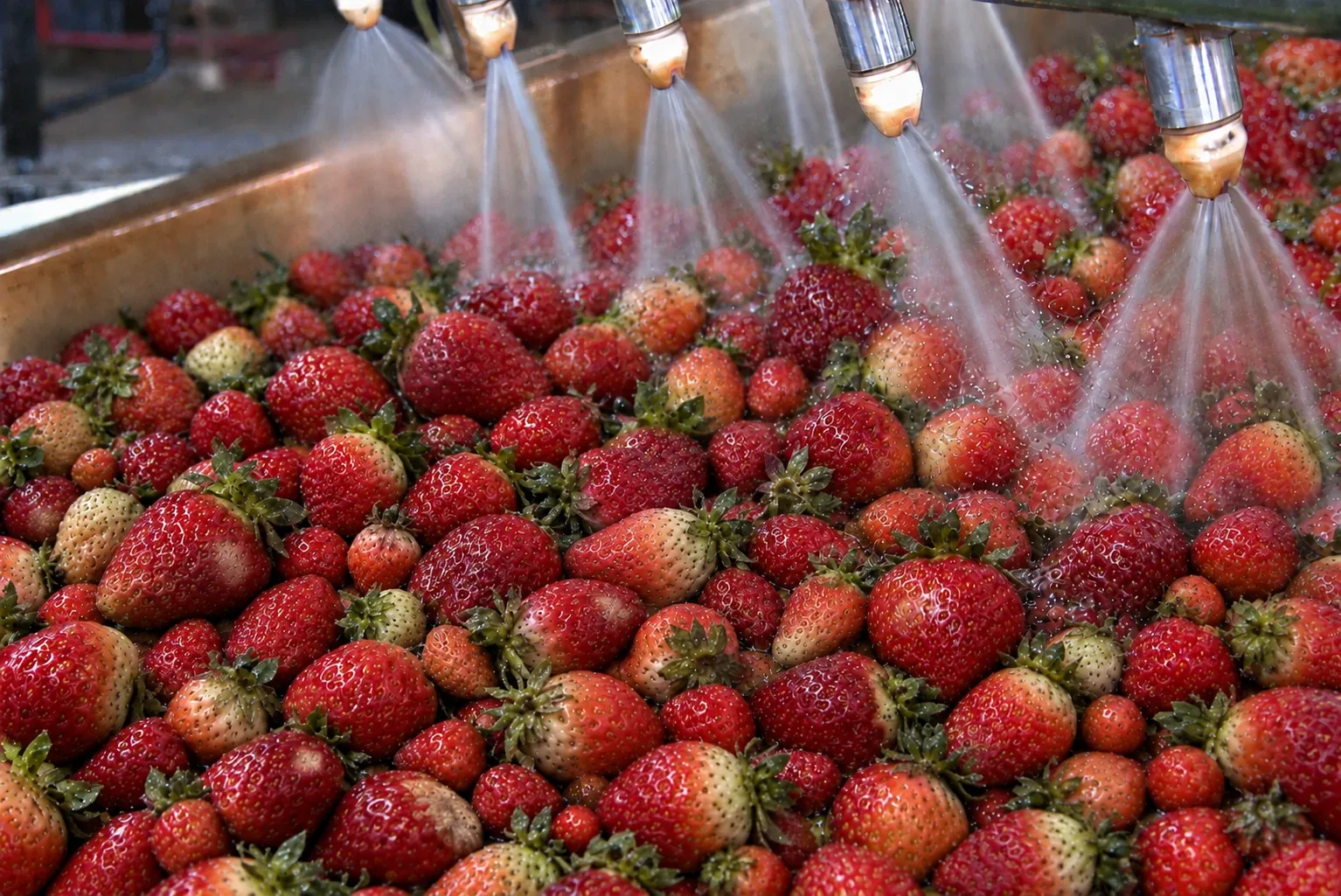
Fresh strawberries on a stainless steel processing conveyor.

Food Safety

Meeting Food Safety and Quality Expectations

Food safety and consistent product quality affect retailer acceptance, consumer trust, refrigerated shelf life, and long-term market access. A product must meet microbiological standards, buyer requirements, and its intended shelf life to be commercially viable.

High pressure processing (HPP) uses cold water and intense isostatic pressure to inactivate harmful microorganisms in packaged foods and beverages. For suitable products, HPP enhances food safety and extends refrigerated shelf life without high heat or synthetic preservatives, helping protect taste, texture, color, and nutritional quality.

APC brings over two decades of HPP and food safety experience, SQF-certified facilities, and rigorous process controls to help customers protect both their products and their brands.

How HPP Achieves Pathogen Reduction

Packaged product is submerged in cold water inside an HPP pressure vessel and held at pressure for a predetermined amount of time.

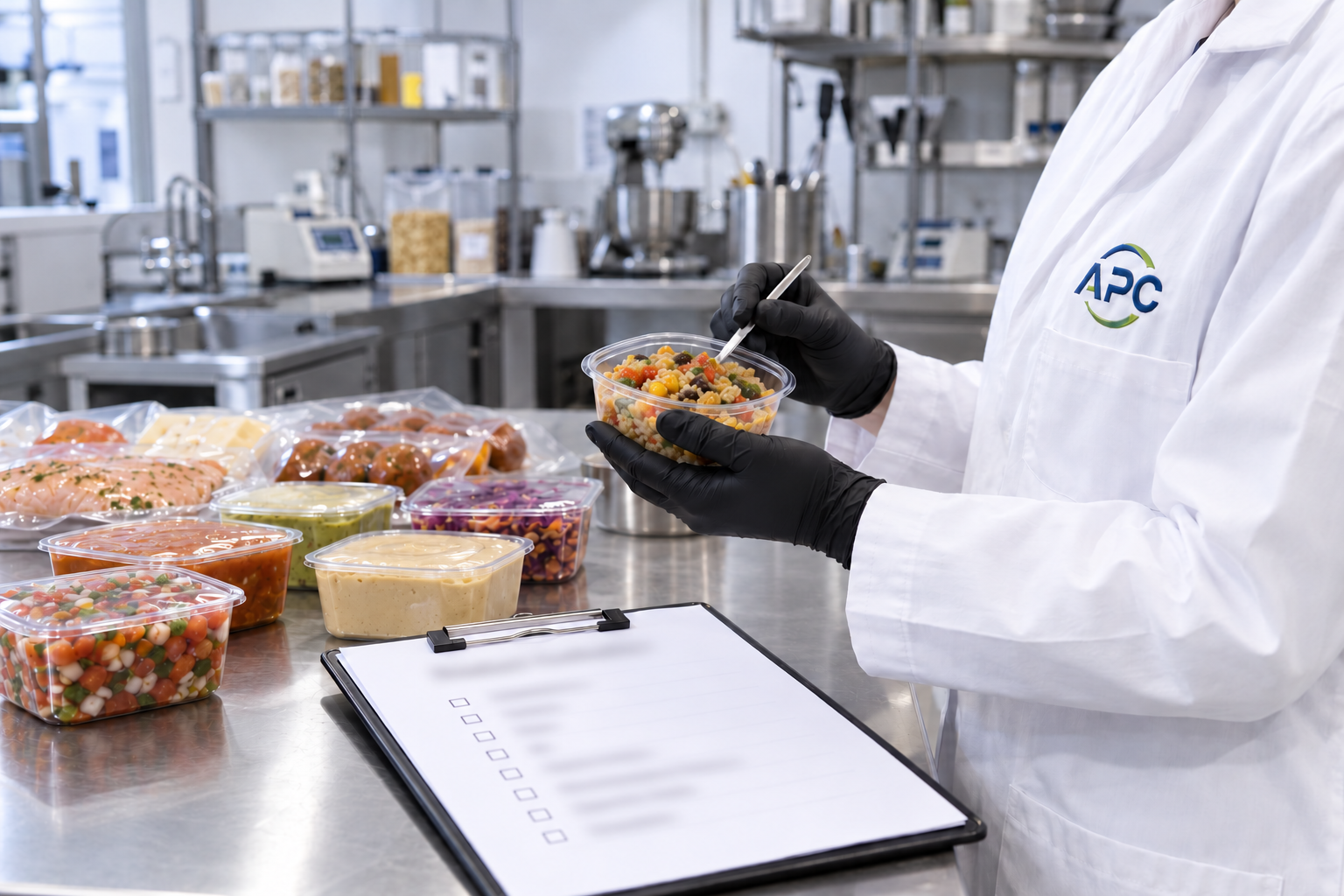
Technician in an APC lab coat evaluating a prepared salad beside packaged foods and a product evaluation checklist.

Three Mechanisms of Pathogen Deactivation

Protein denaturation.

Hydrostatic pressure, up to 87,000 psi or roughly six times the pressure at the deepest parts of the ocean, causes proteins in microbial cells to lose their functional structure. Without intact proteins, pathogens cannot perform the biochemical processes required to survive, reproduce, or cause harm.

Enzyme deactivation.

HPP disrupts the metabolic and repair processes that allow microorganisms to recover from stress. Validated process parameters account for the potential recovery of injured microorganisms after processing.

Uniform isostatic pressure.

Pressure transmits equally in all directions throughout the product, regardless of its size, shape, or density. A one-ounce pouch and a ten-pound bag receive the same treatment at every point.

Process lethality depends on the formulation, pH, water activity, target organism, pressure, hold time, and temperature. Challenge studies establish whether a specific product and set of HPP parameters achieve the required pathogen reduction. For products and process parameters validated for a 5-log reduction, HPP reduces target pathogens such as E. coli, Salmonella, and Listeria monocytogenes by 99.999%.

Protecting Product Quality

Because HPP relies on pressure rather than sustained heat, it better preserves nutritional and sensory qualities than conventional thermal treatment in many suitable products. Taste, texture, color, and nutritional quality remain closer to those of the fresh product.

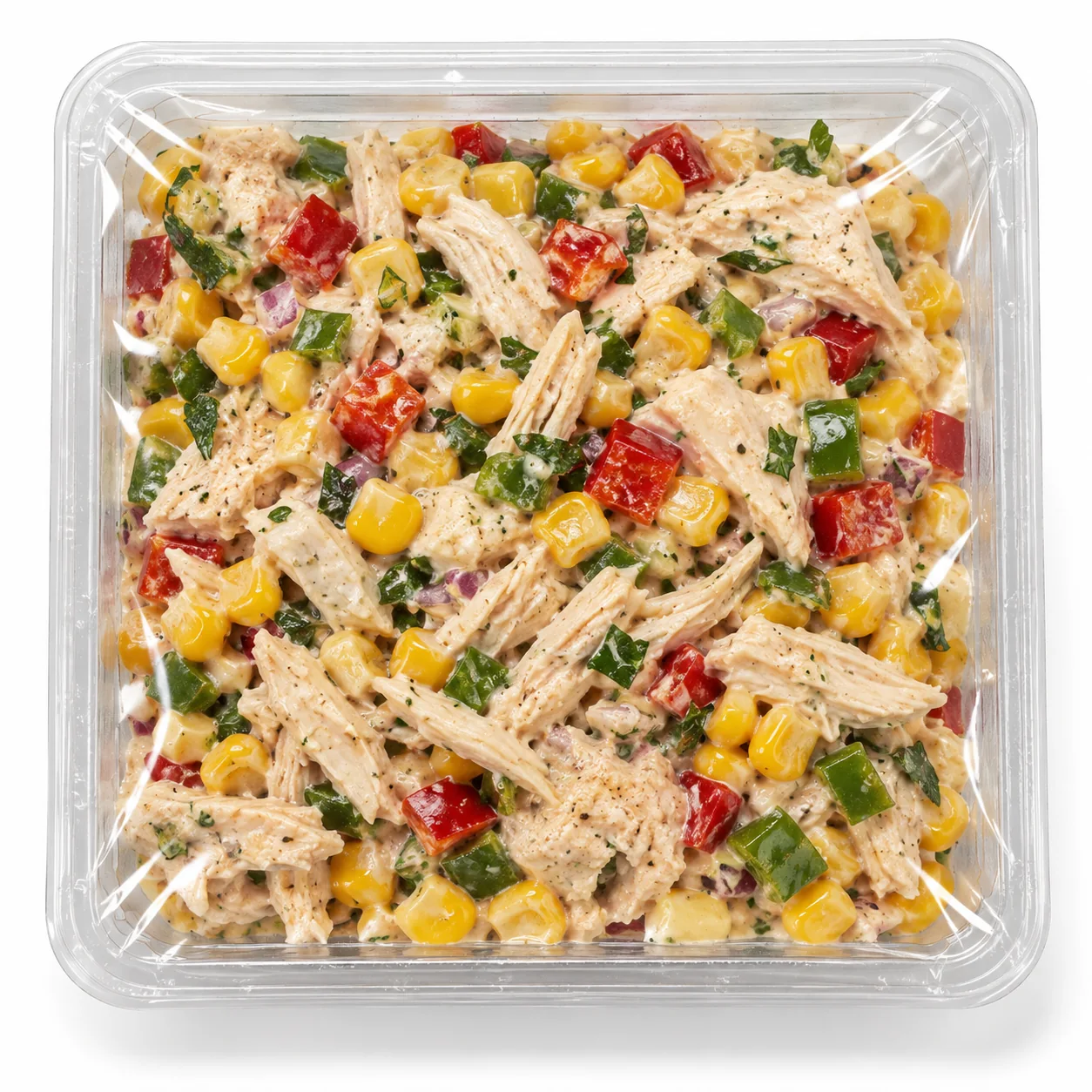
Chicken salad with corn and diced peppers in a square sealed tray

Product-Specific Validation and Laboratory Testing

Food safety and refrigerated shelf-life claims must be supported by testing designed for the product’s formulation, packaging, HPP parameters, and distribution conditions. APC refers customers to accredited independent laboratories with HPP experience. The laboratory designs and conducts the studies and reports the results.

APC’s sample department runs product through HPP according to the specified processing parameters, documents the timeline from manufacture through processing, maintains cold-chain conditions, and promptly ships the product to the laboratory or returns it to the customer. The laboratory receives product with a verifiable history.

Common studies include:

  • Microbial shelf-life studies. Track the product under its HPP and distribution conditions across the intended refrigerated shelf life.
  • Challenge studies, also called inoculation studies. Intentionally inoculate the product with target pathogens to confirm the required log reduction under its specific HPP parameters.
  • Pressure-resistant organism assessments. Identify organisms that need additional formulation or process consideration.

Customers still refining formulation, packaging, or HPP parameters can conduct trials through APC’s Innovation Center before formal validation.

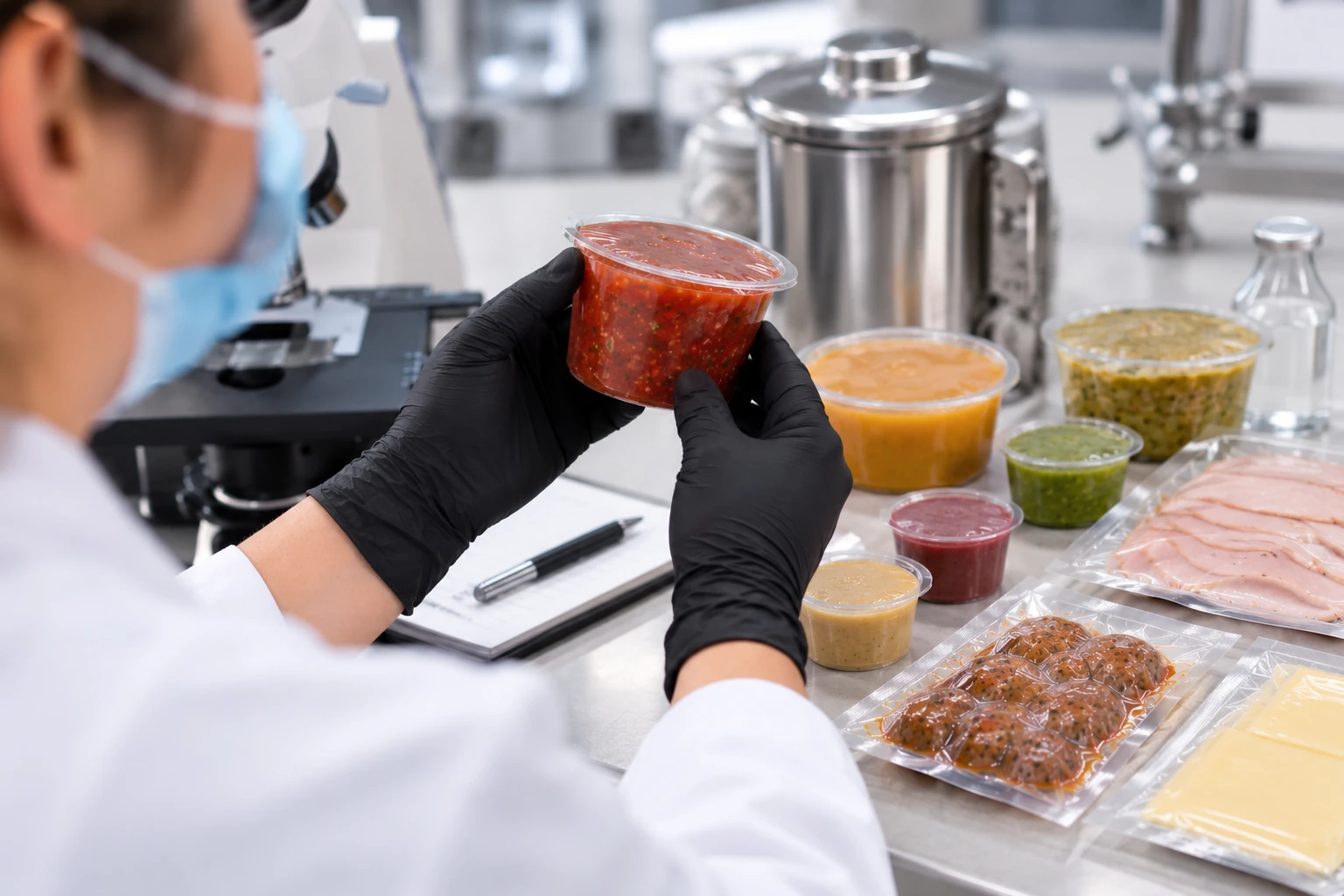
Laboratory technician examining a sealed food product sample among packaged foods prepared for HPP evaluation
Gloved worker holding a handheld barcode scanner beside stacked cardboard cartons.

HACCP Controls for HPP

Each HPP-treated product requires a Hazard Analysis and Critical Control Points plan tailored to its formulation, processing, and distribution conditions. When HPP is used as a critical control point, the plan establishes scientifically supported critical limits and monitoring procedures for:

  • Pressure level
  • Hold time
  • Product temperature at the time of receiving

APC’s QA and sample teams document the HPP step and confirm that required validation results support the parameters used in APC’s HACCP plan.

SQF Certification and Regulatory Requirements

APC’s Milwaukee and Sacramento facilities are certified under the Safe Quality Food program, a globally recognized food safety and quality management certification benchmarked by the Global Food Safety Initiative (GFSI).

Lab technician in a white coat seen from behind working at a bench beside a green tray of capped glass bottles

SQF certification requires:

  • Documented food safety management systems meeting GFSI-benchmarked standards
  • Independent third-party audits verifying compliance with facility, process, and quality management requirements
  • Annual re-registration audits to maintain certification status

SQF certification gives buyers independent verification that APC’s operations meet the food safety and quality standards required by major retailers, foodservice operators, and institutional purchasers. APC is also USDA Organic certified for applicable product categories.

Regulatory requirements for HPP-treated products vary by product category, distribution model, and target market. Depending on the category, HPP-treated foods fall under FDA or USDA oversight. APC’s team provides:

  • Guidance on category-specific regulatory requirements for HPP products
  • HACCP plan development aligned with applicable FDA and USDA standards
  • Laboratory referrals for validation studies required for regulatory submissions
  • Export certification and documentation for products entering international markets
Discuss Food Safety and Validation Requirements

APC’s team can review a product’s category, current food safety program, HPP experience, validation needs, and refrigerated shelf-life objectives. Customers can contact APC to discuss the appropriate next step.

Ready to Talk?

Whether you’re evaluating HPP for the first time or ready to move into production, APC’s team will give you a direct, technically grounded answer — no obligation.

Contact our team →