American Pasteurization Company (APC) has run thousands of SKUs through high-pressure processing (HPP) over more than two decades. Our team reviews the product, its packaging, the HPP process, and the production path together before a brand commits to a commercial run, whether APC manufactures the product or it arrives sealed for HPP tolling.
HPP enhances food safety and extends refrigerated shelf life without high heat or synthetic preservatives. The examples below show what is worth discussing.
Two products in the same category can respond differently to HPP. APC reviews the conditions that will determine whether the process and our facilities suit a particular project.
Water activity, pH, fat and starch content, viscosity, particulates, and texture influence microbial reduction and how a product looks and tastes after processing. Products with crisp, airy, or fragile structures need particular scrutiny.
Material, seal design, closure, container shape, and headspace must be assessed with the actual product inside. The package has to protect its contents through pressurization, water exposure, and subsequent handling.
The product’s regulatory category, target organisms, distribution conditions, and intended refrigerated shelf life determine what testing and documentation may be needed. A result for one formulation cannot be assumed for another.
APC also considers whether the project calls for manufacturing at APC or HPP tolling, along with its volume, timing, packaging work, and refrigerated distribution plan. The Services page explains the two production paths in more detail.
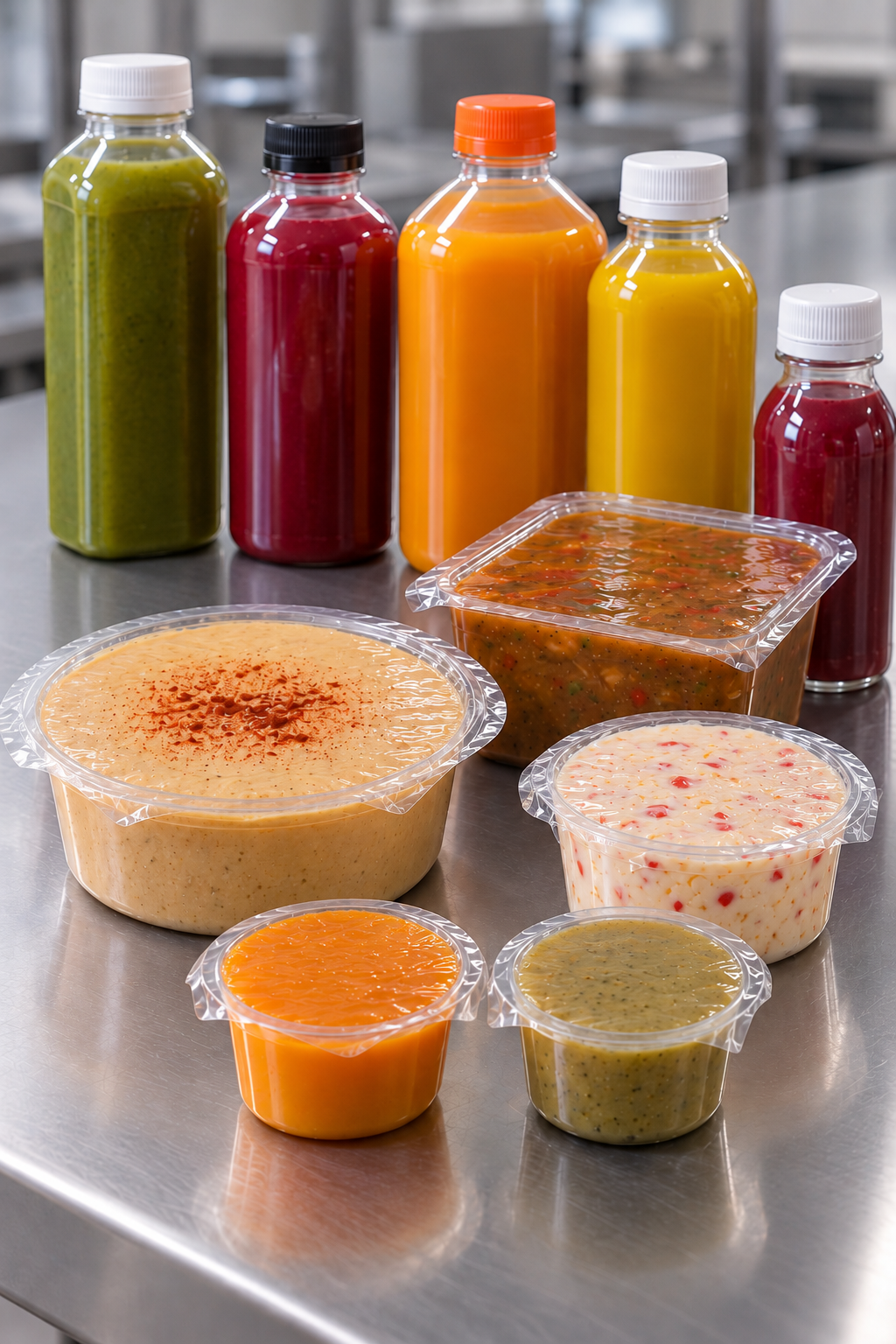
These are examples of refrigerated products APC evaluates for HPP and, where applicable, integrated manufacturing. Each proposed product receives its own review of formulation, packaging, regulatory needs, and operating requirements.
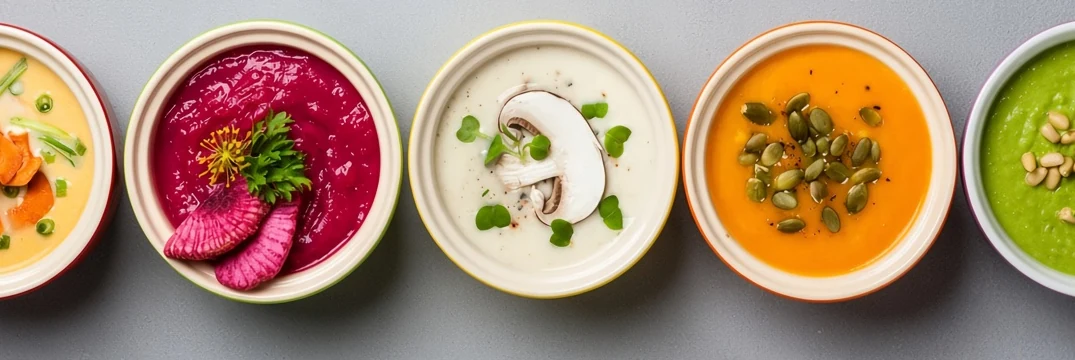
Refrigerated soups, chili, curries, pasta sauces, gravies, and other prepared bases may be candidates in sealed retail packages or flexible bulk formats. Particulates, dairy or fat content, viscosity, and the desired finished texture can change how a specific recipe performs.

Fresh salsa, guacamole, hummus-style spreads, refrigerated dips, and dressings are familiar HPP applications. APC reviews the formulation and the proposed cup, pouch, or other package together, especially when the product contains oil, large pieces, or a delicate emulsion.

Fruit and vegetable purées, blended children’s foods, smoothies, and other smooth or semi-smooth products can suit flexible pouches. The product’s consistency, fill level, spout or cap, and pouch seals all affect packaging performance under pressure.
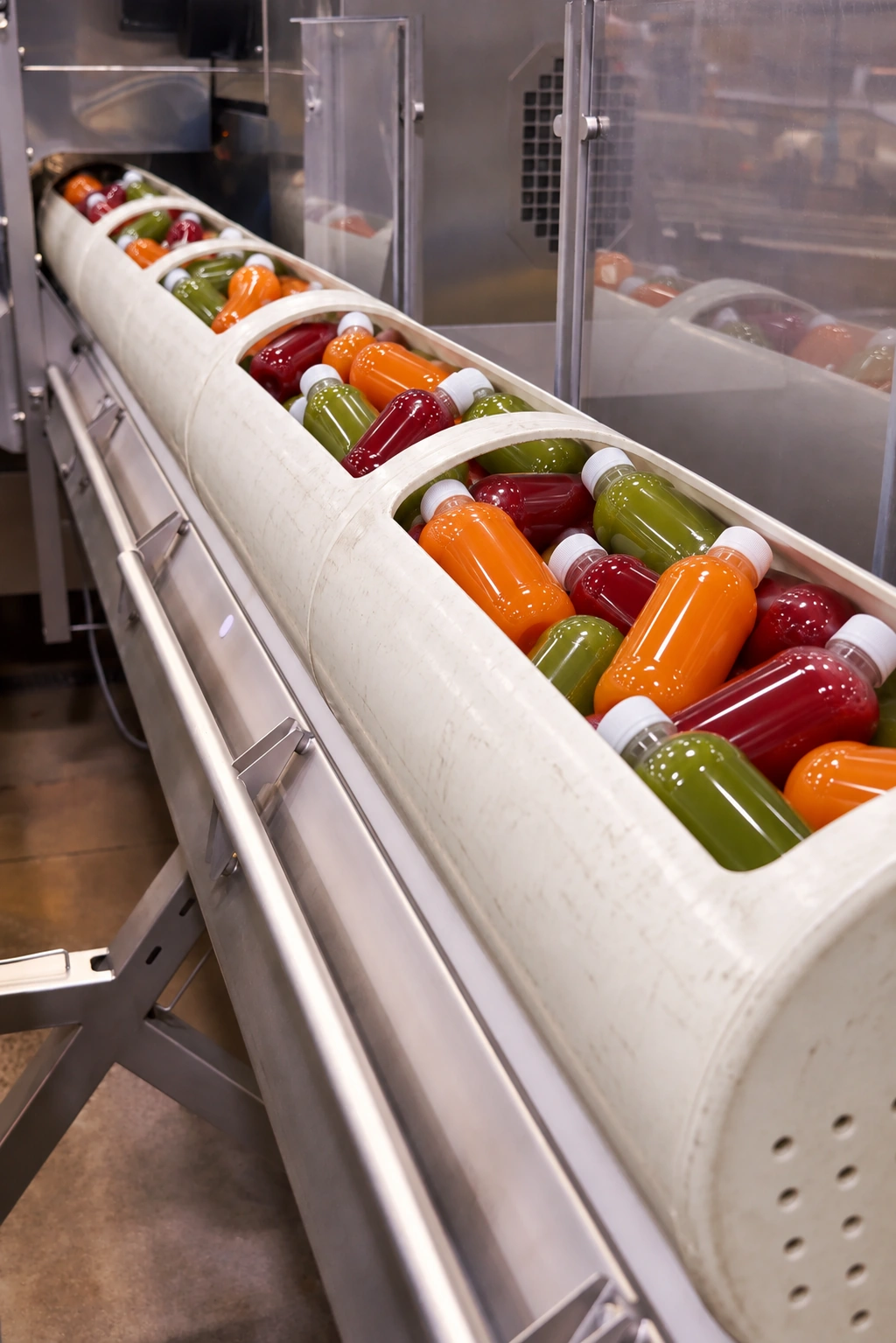
Juices, fruit and vegetable blends, and certain drinkable protein or dairy products are worth evaluating in appropriate sealed containers. A brand that already manufactures and fills its beverages elsewhere may use APC for HPP tolling; manufacturing or filling needs are reviewed separately.

Pasta dishes, grain bowls, prepared vegetables, wet salads, casseroles, and seasonal sides may be reviewed as refrigerated meals or components. Mixed textures deserve attention. A crisp topping or pastry element needs its own packaging and assembly plan because pressure can damage its structure.
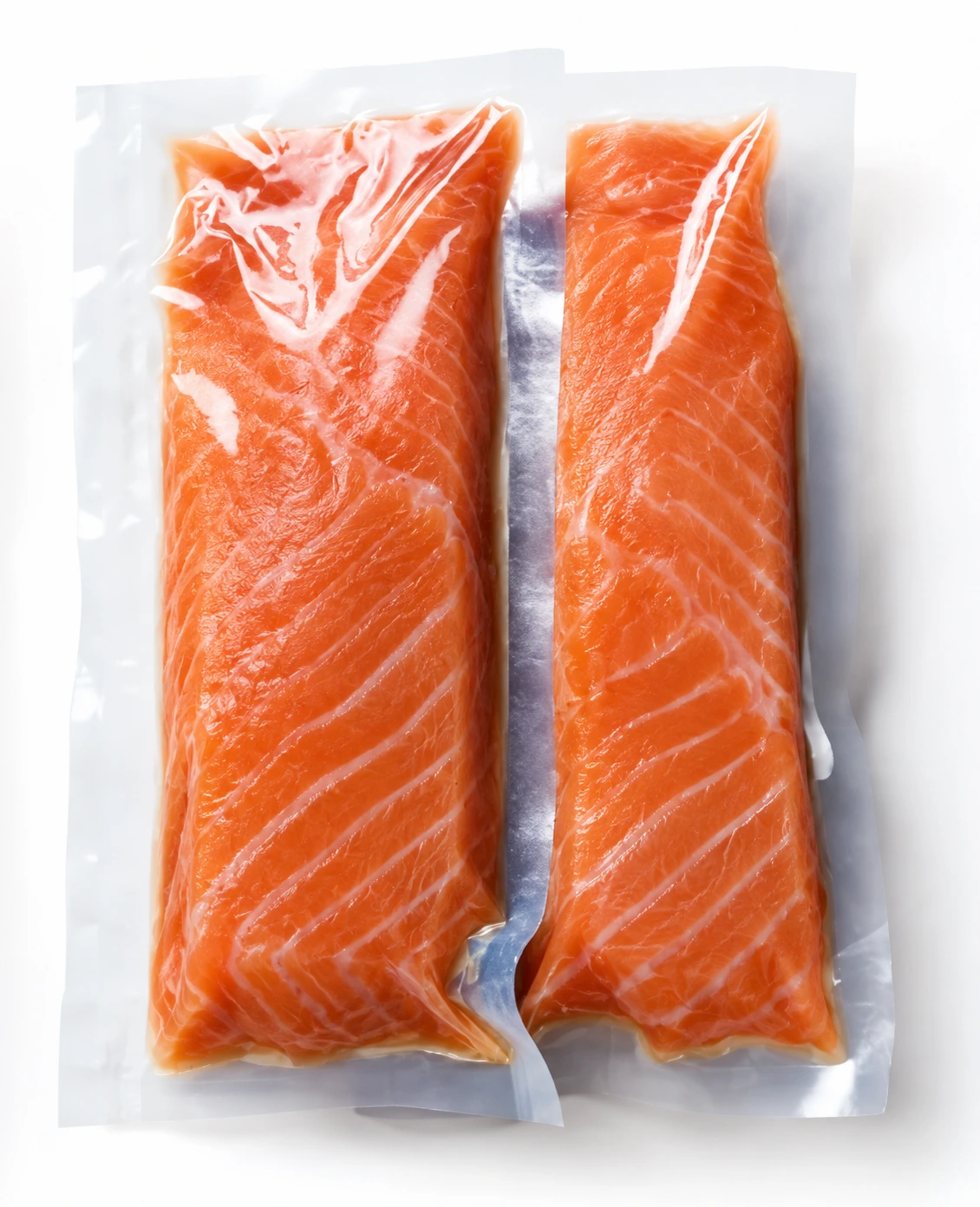
Shredded proteins, proteins in sauce, and certain seafood products require a case-specific review of food safety, sensory quality, packaging, and FDA or USDA requirements. Listing a protein category here does not imply that every preparation or manufacturing program is available at APC.
Format affects both the HPP review and the work needed before and after processing.
APC commonly evaluates flexible bulk bags for foodservice components; sealed squeeze pouches for purées and blends; and selected cups, tubs, trays, and bottles for refrigerated retail products.
A suitable format depends on its complete design and filled product, not the container type alone.
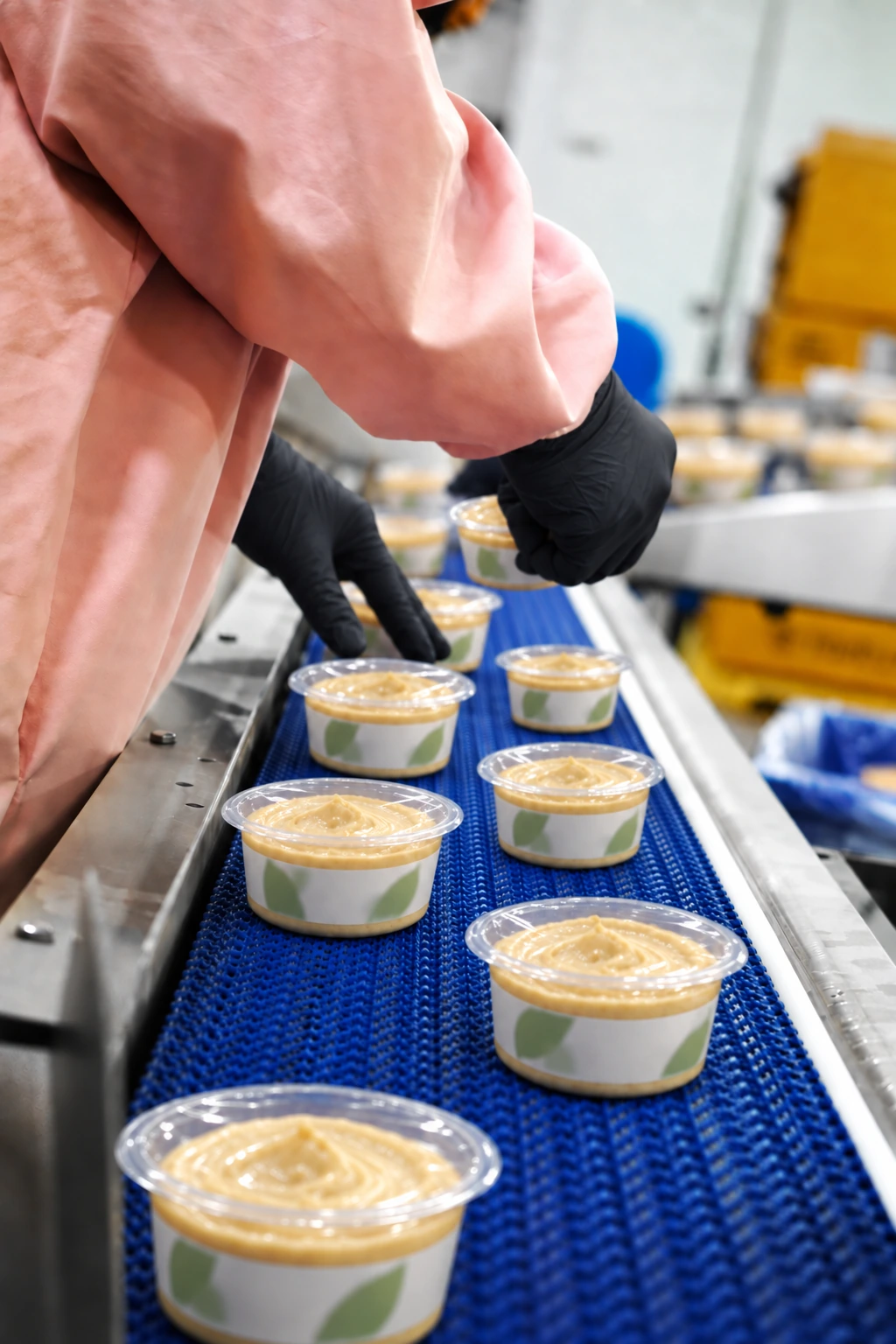
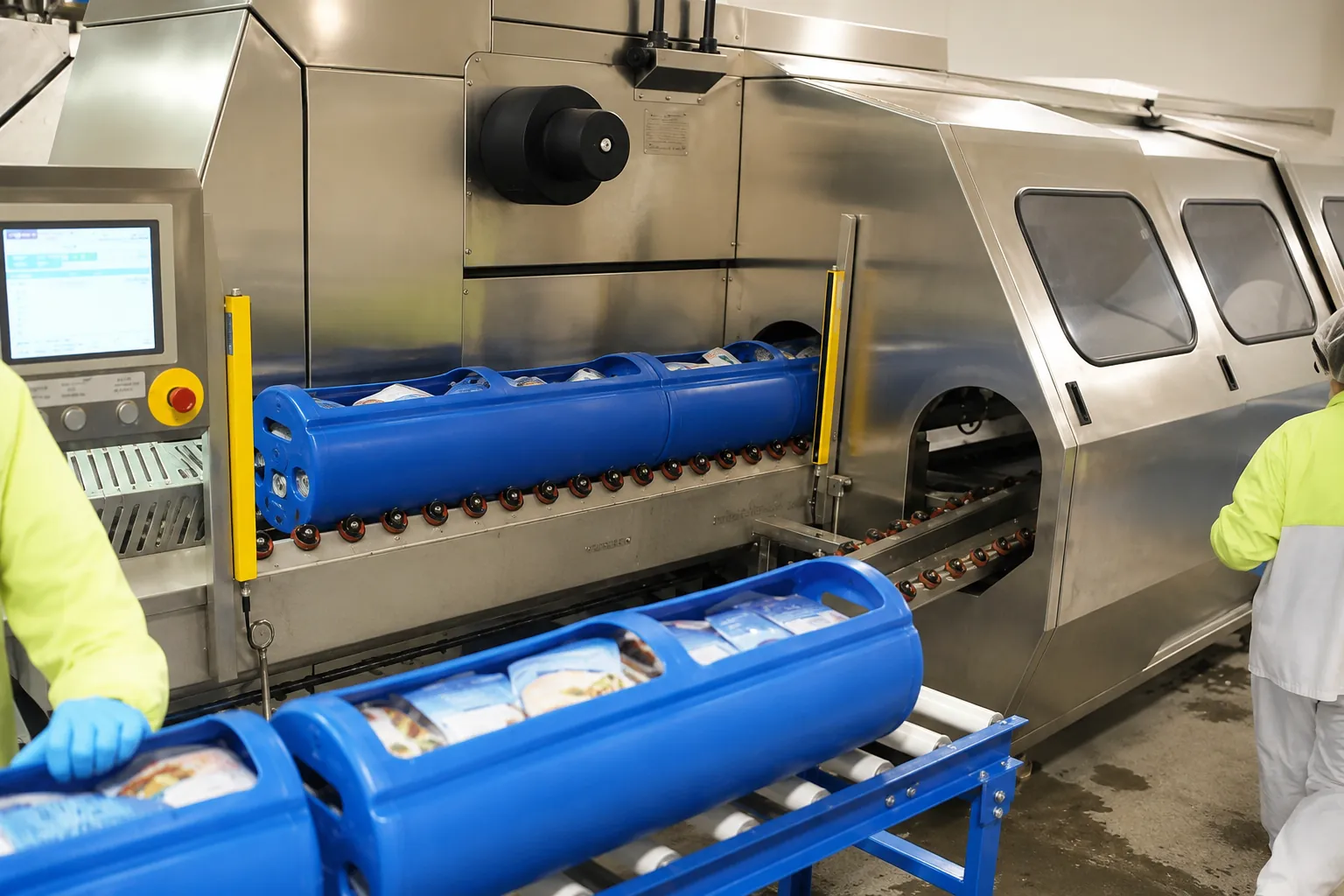
Some brands need APC to manufacture and package a product before HPP.
Others manufacture at their own facility or with another producer and send sealed goods to APC for HPP tolling on a per-pound basis.
The Services page explains the subsequent assembly, palletizing, and shipment coordination available for either path.
APC’s team can often spot likely trouble in a proposed package at first look: excess headspace, a weak seam, a spout that may admit water, a container that may deform, or a label that may not survive the cycle. That judgment can prevent costly packaging choices. The actual filled package must still be tested under the proposed HPP conditions.
APC uses in-package HPP. The product is sealed before entering a water-filled pressure vessel. Its primary package must compress and recover without leaking or losing seal integrity, then protect the product through refrigerated handling.
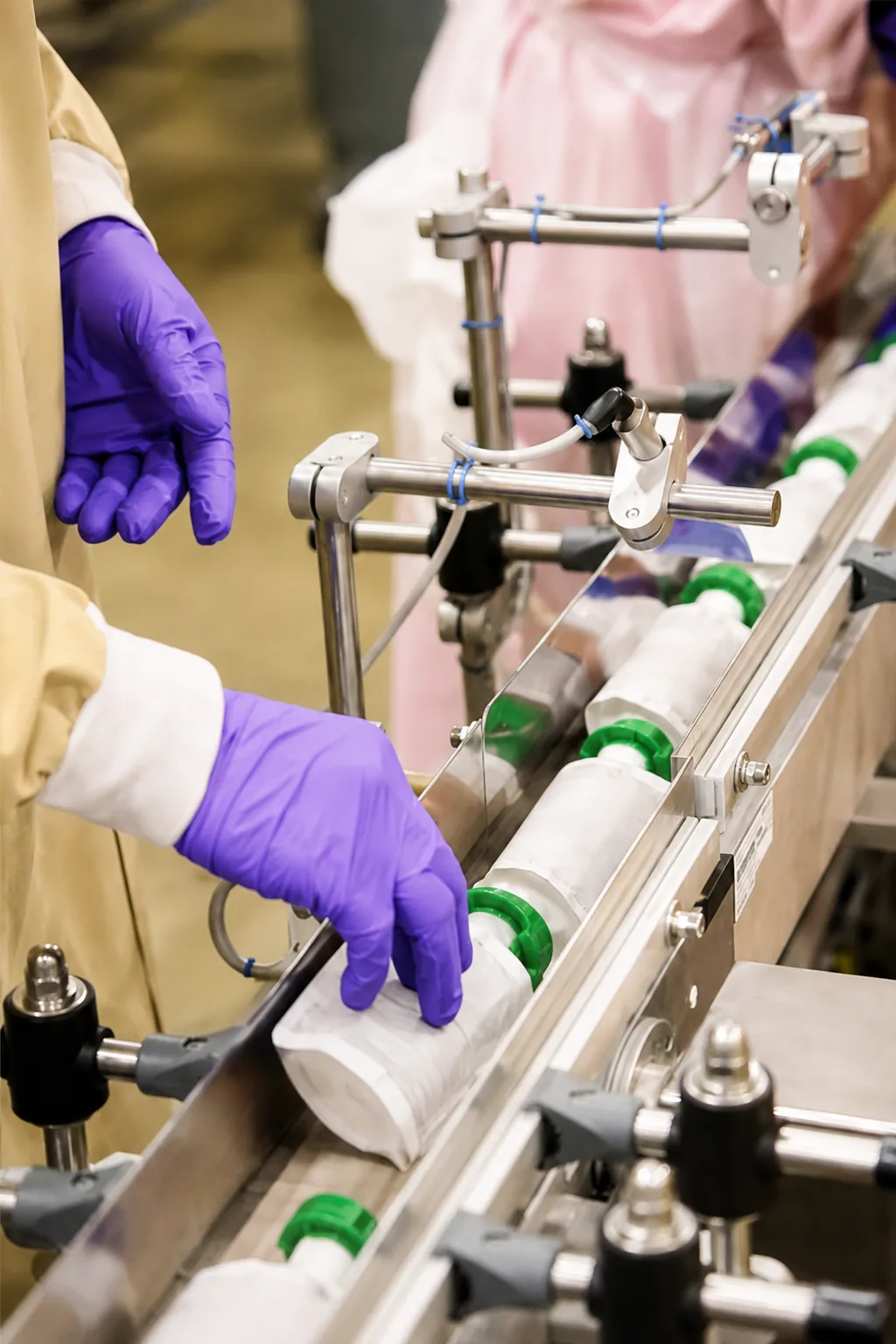
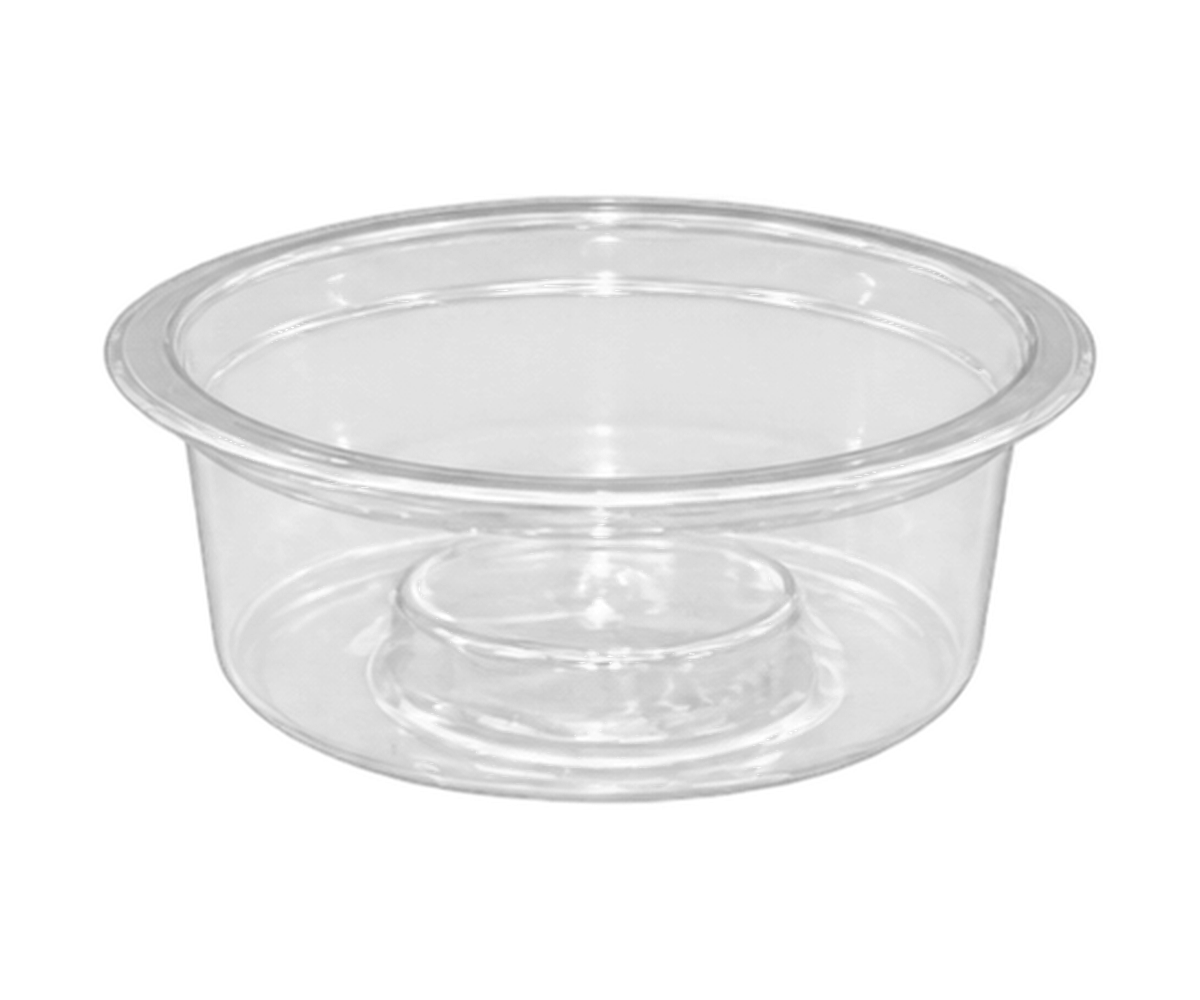
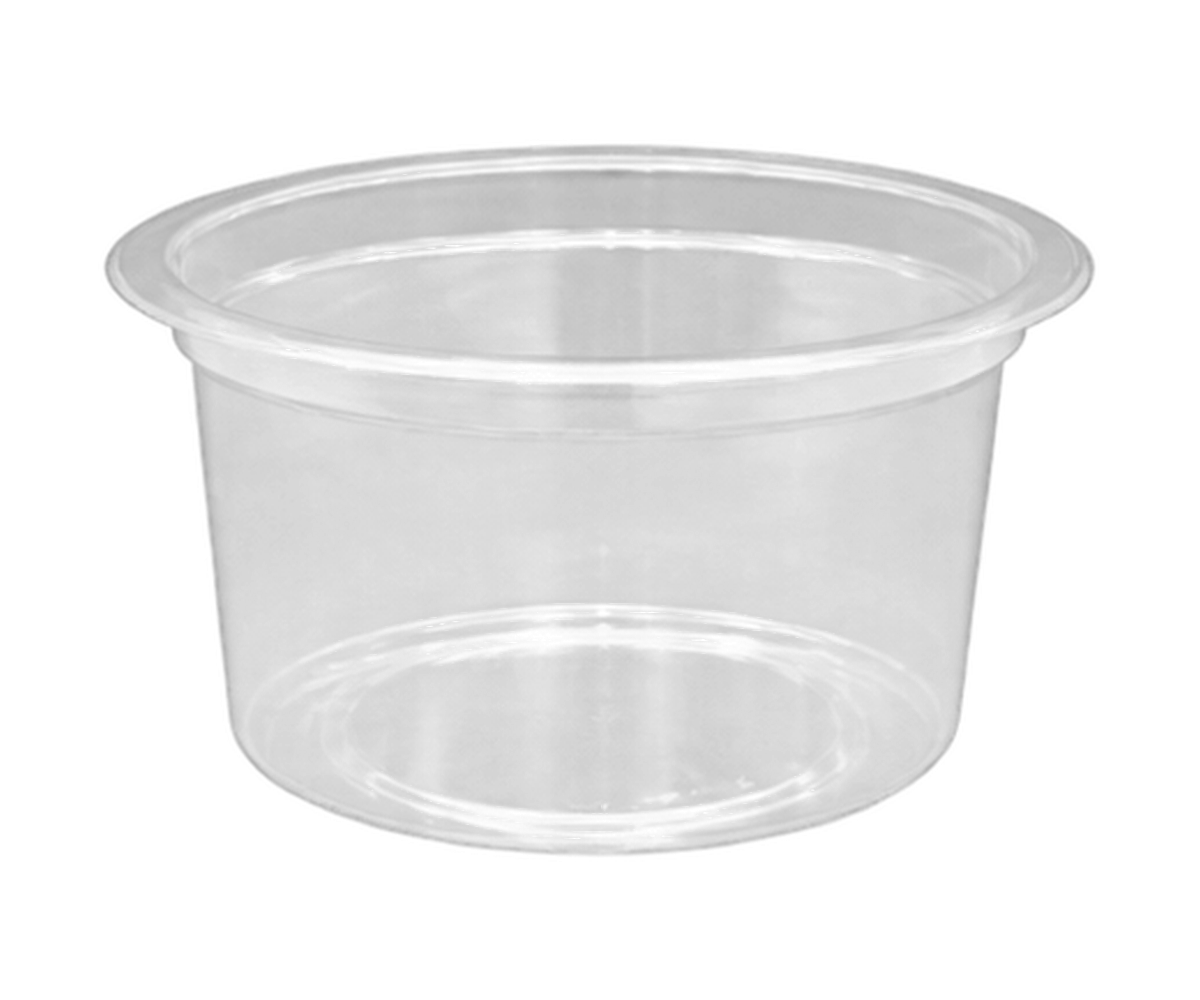
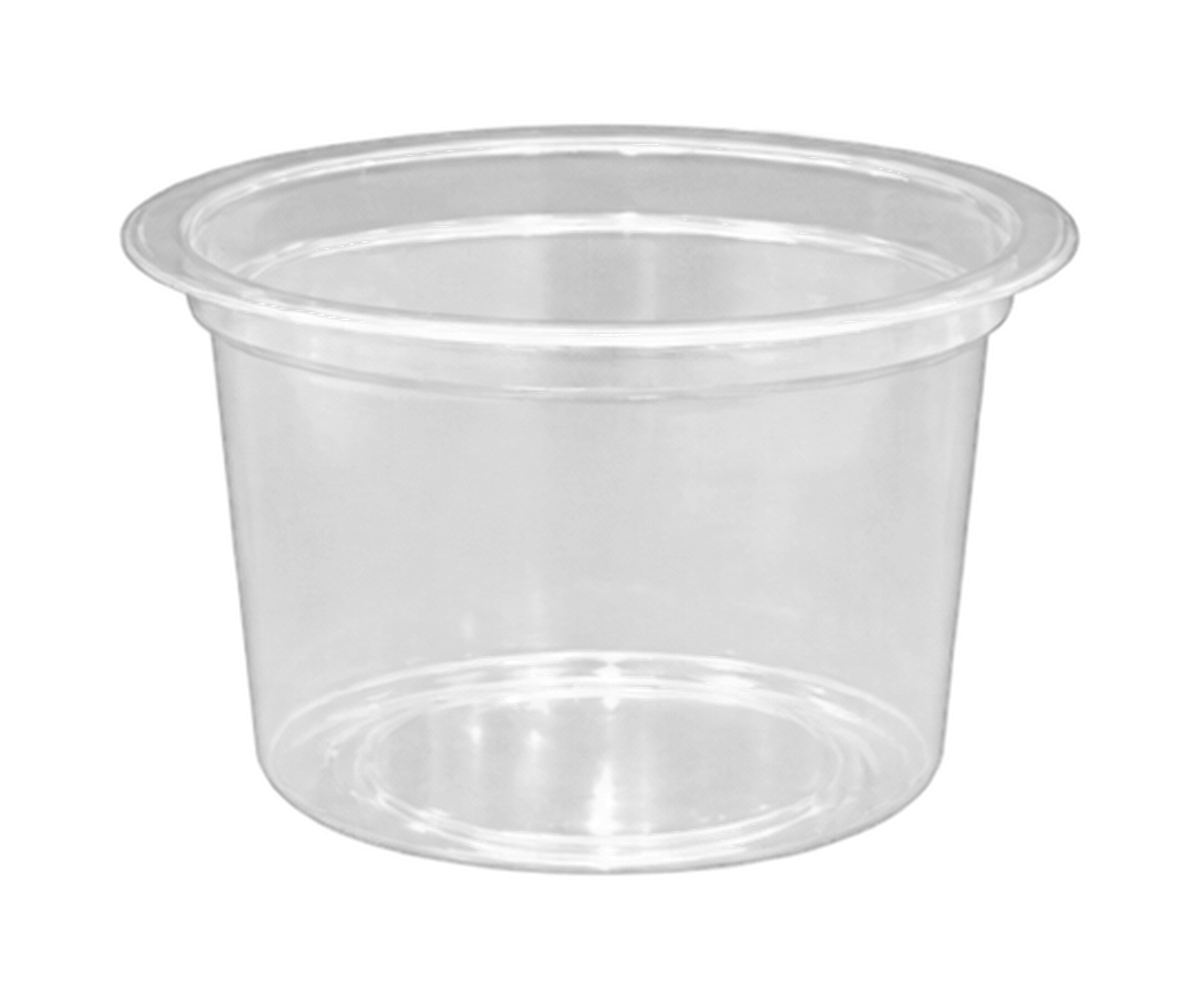
Flexible plastic pouches, multilayer films, and vacuum packages are common candidates. Certain plastic bottles, cups, tubs, and trays can also work when the whole package, including its sealed film or closure, performs under pressure. A material name or a supplier’s general HPP claim does not establish compatibility for a particular shape, fill, or seal.
Air and other gases compress during HPP and expand when pressure is released. Excess headspace can strain seams, distort a package, or contribute to leakage. Modified-atmosphere packaging may be possible, but the gas volume and package design need closer assessment. Corners, edges, compartments, and the way units contact one another can also affect package integrity.
Heat seals, foil or induction seals, threaded closures, spouts, valves, and lidding systems must be evaluated as part of the filled package. A primary seal must be intact before in-package HPP. Depending on the approved design, a decorative outer lid, tamper band, or other finishing element may be applied after processing.
HPP immerses packages in water. Labels, inks, adhesives, sleeves, and printed films should be checked for bleeding, lifting, or other unacceptable changes. If a label or outer component will not tolerate processing, the production plan may call for applying it afterward. The finished package also needs to remain suitable for refrigerated distribution.
Glass bottles, metal cans, paperboard or cardboard, styrofoam, brittle rigid containers, and packages that cannot remain securely sealed are generally poor fits for APC’s in-package HPP process. That assessment concerns the package placed in the pressure vessel; outer cartons and other secondary packaging can be added afterward.
APC can review the selected materials and closures, then run filled samples through HPP to examine seal integrity, leakage, deformation, appearance, and label performance. A package that changes after a trial can be tested again before commercial production. Packaging compatibility testing is distinct from a product’s microbial or refrigerated shelf-life validation.
Evaluate Packaging in the Innovation Center
Brands weighing packaging material and food waste together can also read APC’s Environmental Impact page.
An early inquiry can begin with the details already available. Useful information includes:
A brand does not need to finalize its formulation or packaging before contacting APC. Reviewing these choices early can prevent a package or production decision that becomes expensive to change.
The APC Innovation Center in Milwaukee lets brands assess a product and its filled package with HPP before moving to a commercial run. Sample work can show immediate changes in seal integrity, package appearance, taste, color, or texture and identify where adjustments are needed.
When a product requires microbial, challenge, or refrigerated shelf-life studies, APC can refer customers to accredited laboratories. Customers arrange those studies directly; APC’s sample and QA teams support sample handling and the information needed for APC’s HACCP program. The Food Quality & Safety page explains the related food safety work, and the FAQ answers broader questions about HPP.
APC can assess the product and package with the information a brand has today, identify what remains to be tested, and discuss whether manufacturing at APC or HPP tolling is the appropriate path.